







Search Results for: dark roast vs light roast comparison
Sidamo vs. Yirgacheffe Coffee Beans Comparison: A Full Analysis of Flavor Characteristics, Processing Methods, and Roasting Recommendations
Sidamo and Yirgacheffe both belong to Ethiopia's renowned coffee regions, yet each possesses a distinct flavor personality. This article focuses on Front Street Coffee's sun-dried Sidamo, washed Sidamo, and washed Yirgacheffe, systematically comparing the differences between the two in taste, aroma, and roasting performance. Sidamo features an interweaving of floral notes and earthy tones, along with nutty, cocoa, and bright lemony acidity; Yirgacheffe is known for its orange fruit aroma and light, mild character, performing differently under light and medium-dark roasts. The article also provides targeted roasting times, bean drop points, and hand-grinder grinding experiences to help coffee enthusiasts make more precise choices and brewing decisions. [more…]
Yirgacheffe vs Sidamo Coffee Comparison: Flavor and Mouthfeel Differences, Notable Estates, and Origin Tracing
Yirgacheffe and Sidamo both belong to Ethiopia's specialty coffee landscape, yet due to differences in regional terroir and processing methods, they present distinct flavor profiles, each with its own merits. This article begins with tracing their origins, outlining Yirgacheffe's unique floral and fruity aromas, citrusy acidity, and clean aftertaste, while comparing the flavor trajectory of Sidamo coffee. It also explains how different roast levels affect flavor expression, and offers brewing and roasting recommendations for Front Street Coffee's Yirgacheffe under light and medium-dark roasts, helping coffee enthusiasts more clearly understand the core differences and key purchasing points of these two African washed beans. [more…]
Bolivia Java vs. Panama Geisha Comparison: A Full Analysis of Bean Characteristics, Roast Profiles, and Flavor Differences
Geisha has become a star variety in the coffee world thanks to its unique floral and fruity aromas, while Bolivian Java has attracted much attention because of its "cousin" relationship with Geisha. Front Street Coffee (FrontStreet Coffee) takes Panama Janson Estate Geisha and Bolivian Java as its subjects and conducts a comprehensive comparison from variety origin, green bean appearance, roasting records, and cupping performance to brewing parameters. The article sorts out the specific differences between the two beans in sweetness, acidity, aftertaste, and complexity, and includes Front Street's roasting curves and brewing plans. Whether you want to learn about the legendary story of Geisha or are curious about the actual performance of the Java variety, this comparison can provide a clear reference. [more…]

Analysis of Hot vs. Cold Flavor Differences in Pour-Over Coffee: Which Coffee Beans Are Better for Iced Pour-Over?
Front Street's store bean list is extensive, and many customers face a dilemma after choosing their coffee beans: should they make a hot pour-over or an iced pour-over? What exactly is the difference in flavor between the two? This article starts from Front Street's actual brewing parameters, analyzes the construction logic of iced pour-over, and conducts a hot-versus-cold comparison using four representative coffee beans—Ethiopia TOH Uraga, Papua New Guinea Bird of Paradise, Indonesia Golden Mandheling, and Colombia Flower Moon Night—evaluating them across three dimensions: aroma, flavor, and mouthfeel. The results show that hot pour-over generally has the advantage in aroma richness and layering, while iced pour-over is more popular in summer thanks to its cold-drink appeal. The article also points out that light-roast and anaerobic-process coffee beans are more suitable for making iced pour-over, while medium-dark roast beans are not very suitable. [more…]

Latte vs. Mocha vs. Cappuccino: A Comprehensive Comparison from Ratios to Taste
Standing at the coffee shop counter, faced with names like latte, cappuccino, and mocha, have you ever felt confused but been too embarrassed to ask? These three classic milk coffees, all based on espresso, differ in their ratios, mouthfeel, and preparation methods. This article starts from the extraction principles of espresso and breaks down in detail the recipe ratios, milk foam thickness, cup size choices, and final flavor performance of the three, helping you order precisely according to your personal preferences. At the same time, Front Street Coffee will share a variety of blend bean choices and usage suggestions suitable for making espresso-based milk coffees, so you can easily recreate a professional-quality coffee shop flavor at home. [more…]

How does the timing of pouring in the three-pour pour-over method affect flavor? A comparative experimental analysis of light roast vs. medium-dark roast
When using a three-pour method for pour-over coffee, should the third pour wait until the water has fully drained, or should it be added before the water level reaches the bottom? Front Street answers this through two sets of comparative experiments. First, lightly roasted Yirgacheffe Geddid was brewed with continuous and interrupted pouring respectively, and the total time differed by 10 seconds, with slight differences in aroma and acidity, but the overall difference was not significant. Then the test was repeated with medium-dark roasted Papua New Guinea Bird of Paradise, but the interrupted-pour cup showed obvious bitterness. The reason is that medium-dark roasted beans are loose in texture and have a low margin for error, so bitterness-prone compounds are easily over-extracted when the time is prolonged. The article ultimately points out that interrupted pouring is not unworkable; the key is to pair it with corresponding parameters, such as the coarse-grind 46 brewing method. [more…]

Pour-Over vs. Espresso: A Flavor and Mouthfeel Comparison, Plus a Front Street Coffee Bean Buying Guide
Which tastes better: pour-over coffee or coffee made with an espresso machine? It really depends on personal taste preferences and the drinking occasion. Espresso pursues fast output, with a balanced and intense flavor, often dominated by caramel notes, and is easier to drink when paired with milk; while pour-over coffee focuses on the true character of the origin, with no sugar or milk added, showcasing the unique flavor profile of different producing regions. This article will compare the two from the perspectives of positioning, flavor expression, and suitable audiences, and for the two types of needs—espresso and pour-over—respectively recommend a number of blends and single-origin coffee beans under Front Street Coffee, to help coffee lovers make a suitable choice based on their own preferences. [more…]
Fine Grind Fast Pour vs. Coarse Grind Slow Pour: Flavor Differences and Practical Comparison of Two Pour-Over Schools
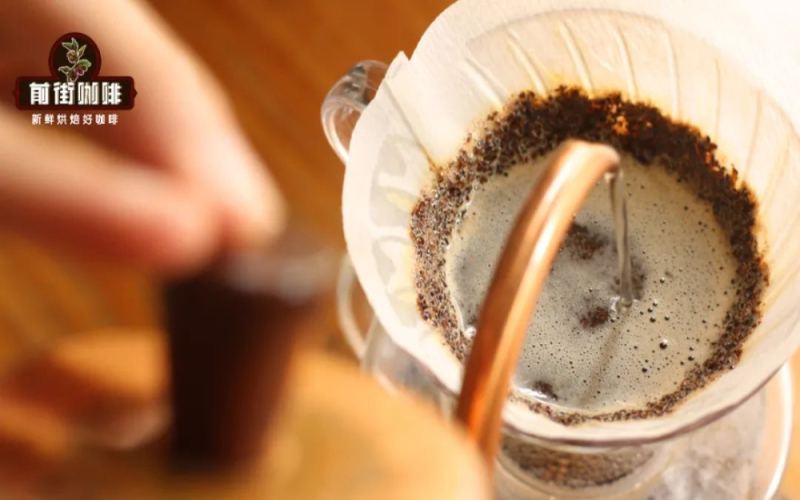
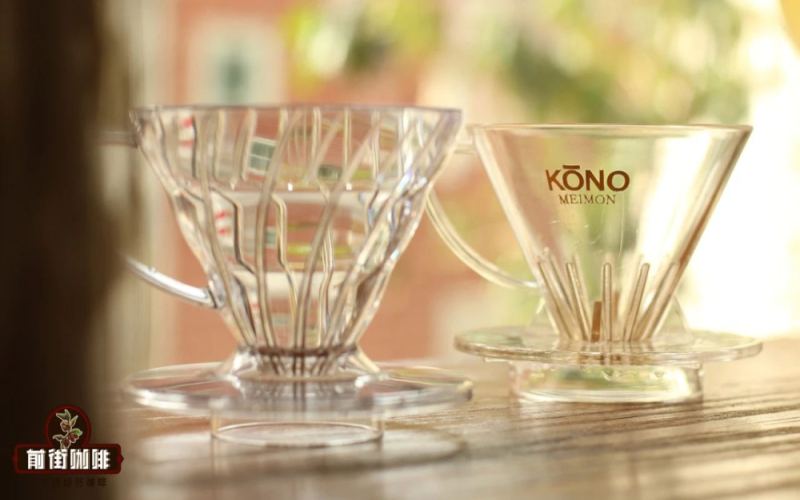
In the world of pour-over coffee, beyond the common brewing schools, two opposing approaches have emerged, divided by grind size and brew time: fine grind fast brew and coarse grind slow brew. Both are based on the same extraction principles, yet they deliver entirely different drinking experiences. This article will analyze the theory behind these two approaches from the perspectives of surface area, water flow rate, and dripper pairing, and conduct a practical comparison using the same medium-roast Papua New Guinea · Bird of Paradise beans, using a V60 and a Kono dripper, the same coffee-to-water ratio and water temperature, to observe the specific flavor differences between fine grind fast brew and coarse grind slow brew, helping coffee enthusiasts understand how to choose the right brewing strategy based on grind size. [more…]
A Complete Analysis of Clever Dripper Coffee Brewing Parameters: Flavor Differences vs. Pour-Over and a Practical Comparison
Thanks to its unique piston valve design, the Clever Cup allows even coffee beginners to brew a stable, tasty cup with ease. This article breaks down the Clever Cup's brewing principles, steps, and parameters in detail, and compares it with pour-over coffee from equipment to technique. Using the Yirgacheffe Red Cherry as an example, Front Street Coffee intuitively presents the flavor differences brought by the two brewing methods, helping coffee lovers understand the choice between rich and full-bodied versus bright and clean. [more…]
Kenya AA vs. Yirgacheffe Flavor Comparison: A Full Analysis of the World's Top Ten Specialty Coffee Origins and Roasting Recommendations
Yirgacheffe and Kenya AA are often discussed together, and their flavors do share certain similarities, but which one suits you better has no absolute answer. Front Street Coffee believes that taste preference is essentially a highly personal experience, shaped by multiple factors such as genetics, upbringing, dietary history, and emotional state. Therefore, rather than following the judgments of so-called connoisseurs, it is better to try coffees from different origins yourself. This article systematically reviews the origin characteristics and recommended roast levels of ten representative specialty coffees from around the world, including Tanzania, Hawaiian Kona, Nicaragua, Sumatra, Sulawesi, Mocha Java, Harar, Yirgacheffe, Guatemala Antigua, and Kenya AA, with Jamaican Blue Mountain included as an honorable mention, to help coffee enthusiasts build a more comprehensive framework for understanding flavor. [more…]
AeroPress vs. French Press Brewing Comparison: An Analysis of Extraction Principles, Grind Parameters, and Coffee Flavor Differences
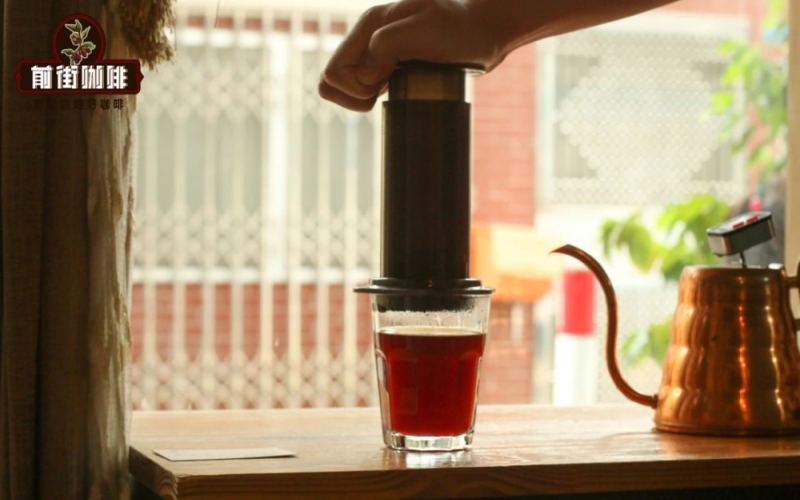
The AeroPress and the French press are two coffee brewing devices that are both easy to operate yet vastly different in style. The AeroPress combines immersion, paper filtration, and pressure extraction to quickly produce a highly concentrated, clean, and full-bodied coffee; the French press, on the other hand, uses full immersion and a metal filter to separate the grounds, has a low barrier to entry, and can present the complete flavor of the coffee beans. This article will compare the two from dimensions such as extraction principles, grind size requirements, and water temperature recommendations, and using Ethiopian Gotingding coffee beans as a sample, will separately record the brewing parameters, operating steps, and flavor performance of Front Street Coffee's AeroPress and French press, helping coffee enthusiasts choose the appropriate device and brewing method according to their own needs. [more…]
A Comprehensive Guide to SOE Coffee: Single-Origin vs. Blend Differences, Price Comparison, and Key Brewing Points
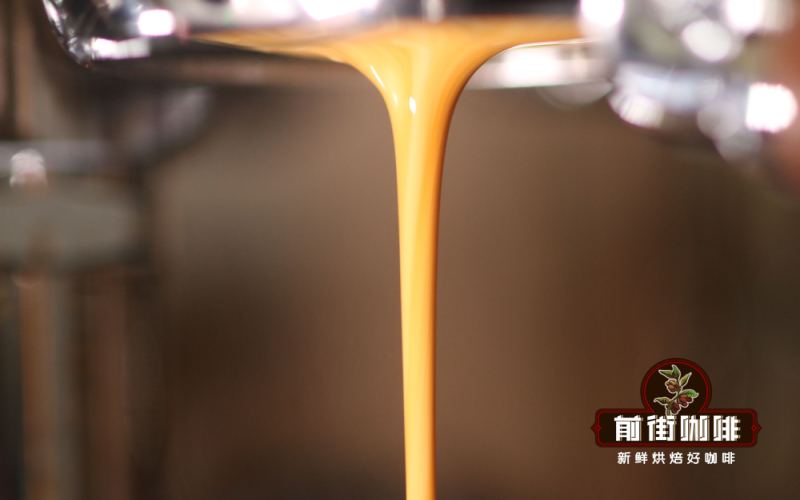
When ordering at a café, the barista often asks, "Would you like SOE or a blend?" leaving many people puzzled. SOE stands for Single Origin Espresso, which refers to espresso extracted from coffee beans of a single origin. How exactly does it differ from traditional blended espresso? Is it more expensive? Is it necessarily better tasting? This article, from the perspective of Front Street Coffee, sorts out the origins of SOE and the background of its rise to popularity, compares the differences between single-origin and blended coffee in terms of flavor stability and cost, explains why not all single-origin beans are suitable for making SOE, and recommends three Front Street Coffee beans suitable for making SOE, helping you understand and choose more clearly. [more…]
Panama Geisha Washed vs. Natural Flavor Comparison: Analyzing the Differences Between Janson Estate and Hacienda La Esmeralda
Both are Panamanian Geisha, but just how big is the flavor difference between the washed and natural processing methods? And what are the distinctive characteristics of the Geisha from Hacienda La Esmeralda and those from Janson Coffee Farm? Starting with Janson Coffee Farm, this article provides a detailed overview of the flavor profiles of its natural and washed Geisha, the farm's background, and growing conditions, and compares them with the stylistic differences of Hacienda La Esmeralda. Janson Coffee Farm focuses mainly on domestic sales and ranks second in Panama for Geisha production; its washed Geisha won second place in the washed category at the 2013 B.O.P competition. The article also includes Front Street Coffee's recommendations and purchasing information, making it suitable reading for coffee enthusiasts who want an in-depth understanding of Panamanian Geisha. [more…]
Golden Mandheling vs. Regular Mandheling: Origin Differences Explained — A Comparison of Sumatra Dark Roast Coffee Brewing Flavors
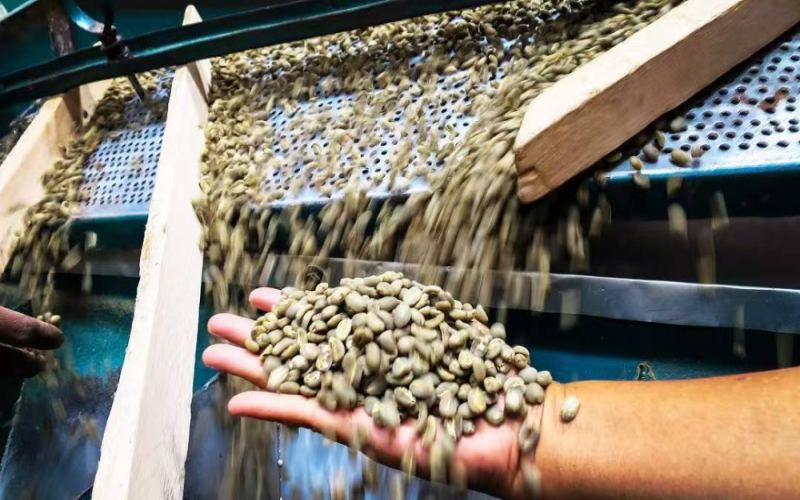
Mandheling is the representative coffee of Sumatra, and while Golden Mandheling and Lintong Mandheling both belong to the Mandheling family, they present different characteristics due to differences in origin, screening standards, and processing details. From the perspective of Front Street Coffee, this article reviews the history of Indonesian coffee, the origin of the name Mandheling, the technical features of wet-hulling and aged wet-hulling, and compares the producing regions, grade standards, and brewing parameters of Golden Mandheling and Lintong Mandheling, helping coffee enthusiasts understand the rich, mellow flavor and layered expression of dark-roasted Sumatran coffee. [more…]
Ethiopian Yirgacheffe Red Cherry vs. Gutingding Flavor Comparison: Analyzing the Differences Between Natural and Washed Processing
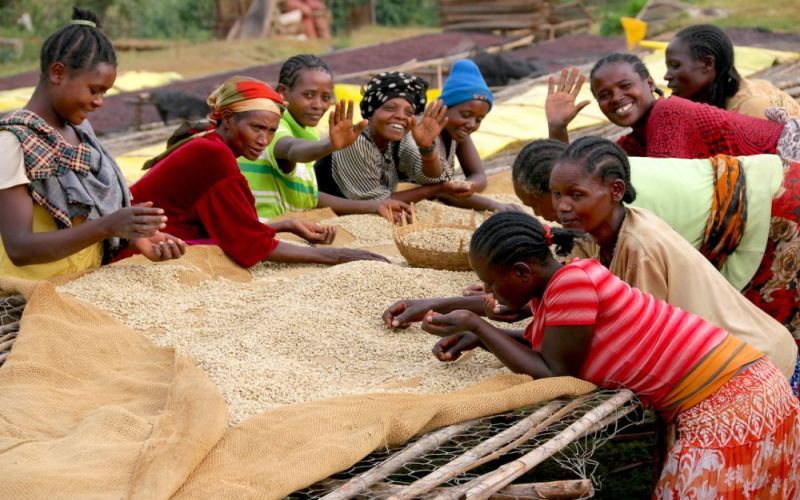
Among African coffee regions, Ethiopia is world-famous for the citrus acidity and floral aromas of Yirgacheffe. Front Street Coffee's Yirgacheffe, with its highly recognizable bright lemon and citrus notes, is easy to identify whether you are a seasoned coffee enthusiast or a complete beginner. This article will guide you through the origins of the Yirgacheffe region and its sub-regions under the ECX trading system, introduce the independent journey of the Gotiti Cooperative, and compare how washed and natural processing methods shape the distinctly different flavor profiles of Front Street Coffee's Gotiti Cooperative coffee beans and Front Street Coffee's Red Cherry coffee beans—the former fresh, bright, clean and sweet, the latter full-bodied, rich and intensely sweet—so you can understand the core differences between these two Ethiopian beans at a glance. [more…]

Flavor Comparison of Pour-Over vs. Iced Americano: Espresso Extraction Principles and a Guide to Choosing Italian-Style Beans
In today's era where specialty coffee prevails, espresso remains an indispensable offering in every café. Americano and pour-over both belong to the category of black coffee, yet their vastly different extraction methods deliver completely distinct taste experiences. This article starts from Front Street Coffee's brewing tutorial, first clarifying the concepts of espresso, Americano, pour-over, and black coffee, then delving into the sources of bitterness in Americano, followed by a flavor comparison using Costa Rica Mozart beans prepared as both pour-over and SOE Americano. In addition, the article systematically outlines the characteristics and suitable applications of four types of espresso beans—SOE, specialty blend, Warm Sun blend, and commercial blend—providing practical bean selection reference for coffee enthusiasts and industry professionals. [more…]
French Press vs. Moka Pot Coffee Brewing Comparison: Key Operating Points, Bean Selection Tips, and Analysis of Why the Moka Pot Burns at the Bottom
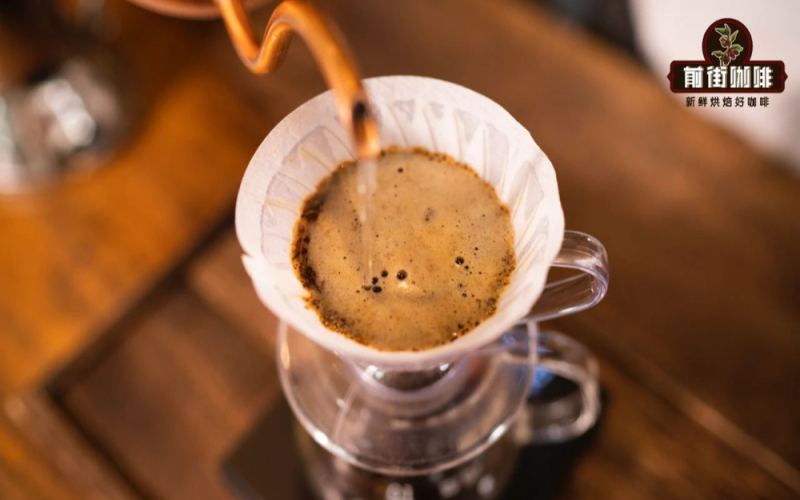
Among coffee brewing devices, the French press and the moka pot are known as "lazy person's tools" for their ease of operation, but the two differ markedly in extraction principles, flavor expression, and suitable scenarios. The French press, through immersion extraction, restores the complete flavor close to that of cupping and suits single-origin beans roasted light-to-medium to medium-dark; the moka pot, by contrast, uses steam pressure to extract a rich, full-bodied coffee liquid and is better suited to dark-roasted blends. In this article, Front Street will explain in detail the operating steps, grind size, and coffee-to-water ratio recommendations for each of the two devices, and, addressing the common problem of scorching at the bottom when using a moka pot, give specific causes and avoidance methods in terms of water level control, grind coarseness, and heating rhythm, helping coffee lovers consistently produce a good cup of coffee at home. [more…]

Pour-Over vs. Espresso Coffee Comparison | What are the differences between espresso and pour-over coffee in terms of coffee bean preparation methods, coffee extraction principles, and coffee-to-water ratio parameters?
Coffee is winning over more and more people in China, even starting to rival fast-drink tea beverages like milk tea, though the consumer groups for each are quite different. When it comes to coffee, pour-over coffee and espresso are a must-mention, and pour-over coffee relies most of all on single-origin beans. The unadorned beauty of pour-over coffee is not brash, [more…]
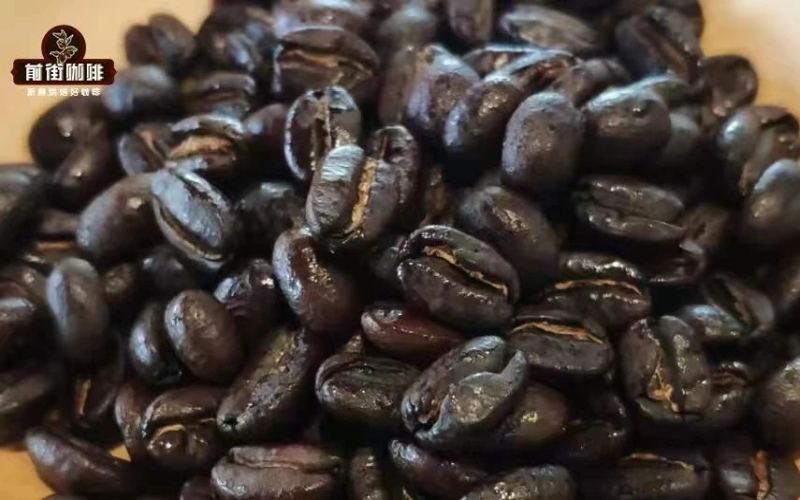
Analysis of Why Mandheling Coffee Beans Become Oily: PWN Golden Mandheling vs. Gayo Mountain Triple Hand-Sorted Beans
When coffee beans develop an oily sheen on their surface, is it a quality problem or a normal phenomenon? Starting from a comparison between Front Street's PWN Golden Mandheling and Indonesia's Gayo Mountain triple hand-sorted Mandheling, this article provides a detailed analysis of the strict screening standards for Golden Mandheling, the goat-hoof bean problem caused by the wet-hulling process, and the differences between the two beans in variety, cleanliness, and flavor. It also delves into the relationship between coffee bean oil production, roast level, and carbon dioxide release, and includes Front Street's roasting records, cupping comparisons, and KONO dripper brewing insights, helping coffee enthusiasts fully understand the characteristics of Mandheling coffee beans and the science behind oil production. [more…]
Yunnan Catimor vs. Typica Pour-Over Comparison: A Complete Flavor Analysis from Origin and Variety to Roasting and Extraction
Yunnan, as the earliest coffee-growing region in China, boasts premium production areas such as Baoshan's Lujiangba, yet varietal differences profoundly influence pour-over flavor. This article begins with the historical origins of Catimor and Typica, the terroir of the production areas, and green bean characteristics, then meticulously documents the entire process of Catimor red cherry natural processing. Through multiple rounds of roasting curve cupping and three adjustments of pour-over parameters, it explores how to diminish Catimor's herbal and woody bitterness while preserving its steady fruit acidity and caramel sweetness. The article also compares the flavor trajectories of varieties such as Huaguoshan, making it suitable for pour-over enthusiasts seeking a deeper understanding of Yunnan coffee's varietal characteristics and extraction logic. [more…]